 Skip to content
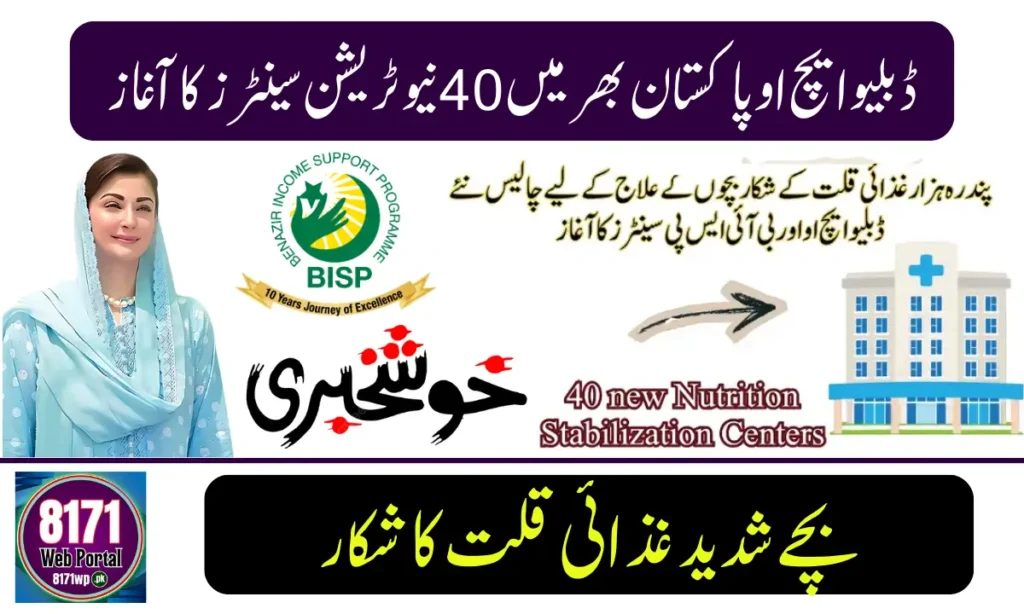
The Government of Sindh, in partnership with the Benazir Income Support Programme (BISP), has launched a groundbreaking initiative to improve child nutrition across the province. With malnutrition rates remaining a significant concern, this collaboration focuses on providing targeted nutritional support to children in vulnerable communities.
This move aligns with Pakistan’s ongoing efforts to achieve better health outcomes under national health policies.
Key Objectives of the Collaboration
The initiative between BISP & Sindh Health Ministry Collaborate on Child Nutrition aims to:
- Reduce child malnutrition in rural and urban areas
- Ensure access to fortified foods for children under five
- Educate parents on healthy nutrition practices
- Monitor and evaluate nutrition programs for effectiveness
How the Program Will Work
The initiative combines BISP’s financial and social support mechanisms with the Sindh Health Ministry’s technical expertise. Key program features include:
- Cash Assistance & Food Packages: Targeted households receive cash support and nutrition-rich food for children.
- Health Checkups: Regular monitoring of children’s growth and nutritional status.
- Awareness Campaigns: Workshops and community programs to educate families on balanced diets and proper feeding practices.
- Data-Driven Approach: Collecting and analyzing health data to track program success.
This multi-pronged approach ensures children receive both immediate support and long-term benefits.
Target Areas and Beneficiaries
The program focuses on districts with high malnutrition rates, including both rural and semi-urban regions.
- Primary Beneficiaries: Children under five years of age
- Secondary Beneficiaries: Pregnant and lactating mothers
- Reach: Over 500,000 households in Sindh during the first phase
Impact on Public Health
Experts predict the collaboration between BISP & Sindh Health Ministry on Child Nutrition will:
- Reduce stunting and wasting rates among children
- Improve overall child growth and development
- Decrease preventable diseases caused by malnutrition
- Strengthen community health infrastructure
With proper implementation, the initiative could serve as a model for other provinces.
Community Engagement and Awareness
Public participation is a key aspect of the initiative. The government is encouraging local communities to:
- Attend nutrition awareness sessions
- Report cases of malnutrition
- Participate in school and community health programs
This participatory approach ensures that the program reaches the most vulnerable populations efficiently
Future Plans and Expansion
The Sindh Health Ministry, in collaboration with BISP, plans to:
- Expand the program to cover all districts in Sindh by 2027
- Introduce mobile health units for remote communities
- Partner with NGOs for specialized nutrition programs
These steps aim to create a sustainable and inclusive child nutrition framework.
Conclusion
The initiative where BISP & Sindh Health Ministry Collaborate on Child Nutrition represents a major step toward combating malnutrition in Sindh. With targeted support, community engagement, and robust monitoring, this program promises significant improvements in child health and well-being in 2026 and beyond.